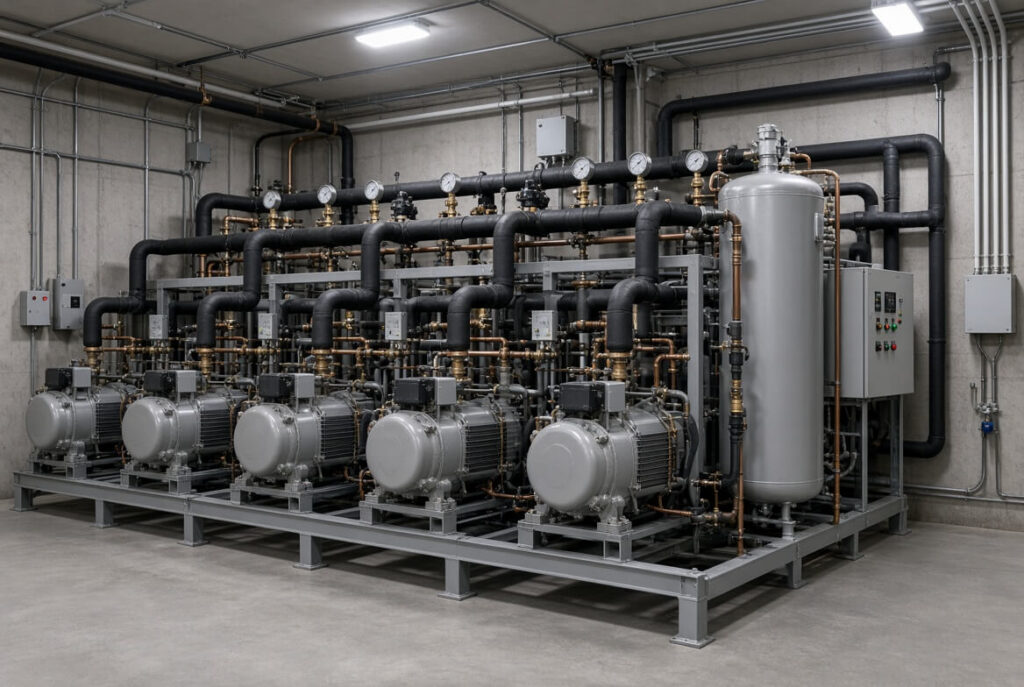
Supermarket refrigeration systems run continuously to protect large volumes of perishable inventory. These systems often hold substantial refrigerant charges spread across machine rooms, walk-ins, and sales-floor cases. Small leaks can reduce efficiency, raise energy use, and strain equipment for weeks or months before refrigerant concentration reaches a level that triggers a fixed alarm.
Facility teams who watch operational patterns—rather than waiting solely for sensor alerts—can often catch developing issues earlier. Here are seven practical indicators that a refrigerant leak may be underway, listed in a different sequence to emphasize varied observation points.
1. Visible Oil Residue or Audible Clues Near Components
Refrigerant oil often escapes with the gas. Oily film or staining around valves, flare fittings, Schrader cores, braze joints, or coil returns can indicate a leak point. In some cases, a faint hissing or bubbling sound is audible near pressurized lines or components when the system is running.
What to monitor: oil stains on copper lines or fittings during walk-throughs, missing or loose valve caps, and any unusual sounds near machine-room racks or case piping.
2. Unusual Frost or Ice Patterns Appear
Low refrigerant charge alters evaporator conditions. Technicians sometimes observe frost forming only on the first passes of a coil while later sections remain clear, or ice building on suction lines or filter-driers in ways that do not match normal defrost behavior. These patterns differ from the more uniform icing caused by airflow or defrost problems.
What to monitor: irregular frost on evaporator coils or lines during routine inspections, and changes in frost location or severity that do not resolve with standard defrost checks.
3. Refrigerant Additions or Purchases Exceed Normal Expectations
The most direct signal is the need to add refrigerant more often than the system’s history or design would suggest. Accurate records of refrigerant added, receiver levels, or purchasing trends across a single store or multiple locations help reveal abnormal consumption before major charge loss occurs.
What to monitor: frequency and volume of refrigerant recharges, deviations from historical usage, and store-to-store comparisons that flag outliers.
4. Temperature Stability Declines in Cases or Walk-Ins
Before temperatures rise enough to risk product, systems often show greater fluctuation. Display cases may run warmer near the return or exhibit wider swings between cycles. Walk-in coolers and freezers may take longer to recover after door openings or restocking. These variations can appear intermittent at first.
What to monitor: case or room temperature logs, recovery times after loading, increased frequency of minor temperature excursions, and product-temperature concerns reported by department staff.
5. Service Requests and Troubleshooting Increase
A system operating with reduced charge tends to generate more performance-related calls—low-pressure issues, capacity complaints, or recurring temperature problems on the same assets. Individual tickets may look unrelated, but a pattern of repeated attention on specific racks, walk-ins, or case lines can point to gradual refrigerant loss.
What to monitor: service-call volume and nature by asset, repeated work on the same equipment, and rising maintenance costs without corresponding equipment age or usage changes.
6. Energy Consumption Rises Without a Clear Operational Cause
Lower refrigerant charge reduces heat-transfer efficiency. Equipment works harder to move the same amount of heat, which shows up as higher electricity use. Because the change is often gradual, it can be missed unless teams compare current utility data or submetered refrigeration loads against previous periods under similar conditions.
What to monitor: unexplained upward trends in store or rack-level energy use, declining overall system efficiency metrics, and rising operating costs with no matching increase in store hours or product volume.
7. Compressors Run Longer or Cycle More Frequently
When refrigerant charge drops, the system loses capacity. Compressors and condenser fans typically compensate by operating longer or cycling more often to hold setpoint. A sudden or unexplained increase in runtime, especially during periods of normal store load and ambient conditions, is a key performance clue that often appears alongside other indicators.
What to monitor: compressor runtime hours compared with historical baselines, frequency of start/stop cycles, and continuous operation during milder weather or lower product demand.
Why These Indicators Matter
Unaddressed leaks increase energy costs, accelerate wear on compressors and other components, and raise the risk of product temperature excursions. They also complicate refrigerant management and regulatory record-keeping. Because many supermarket systems experience annual leak rates in the double digits if left unchecked, early recognition of these operational clues can limit total refrigerant loss and associated expenses.
Not every longer runtime, higher bill, or temperature swing is caused by a leak—dirty coils, airflow restrictions, control issues, or ambient conditions can produce similar symptoms. The value lies in noticing changes from normal baselines and investigating promptly with proper diagnostic tools and qualified technicians.
Moving from Observation to Proactive Management
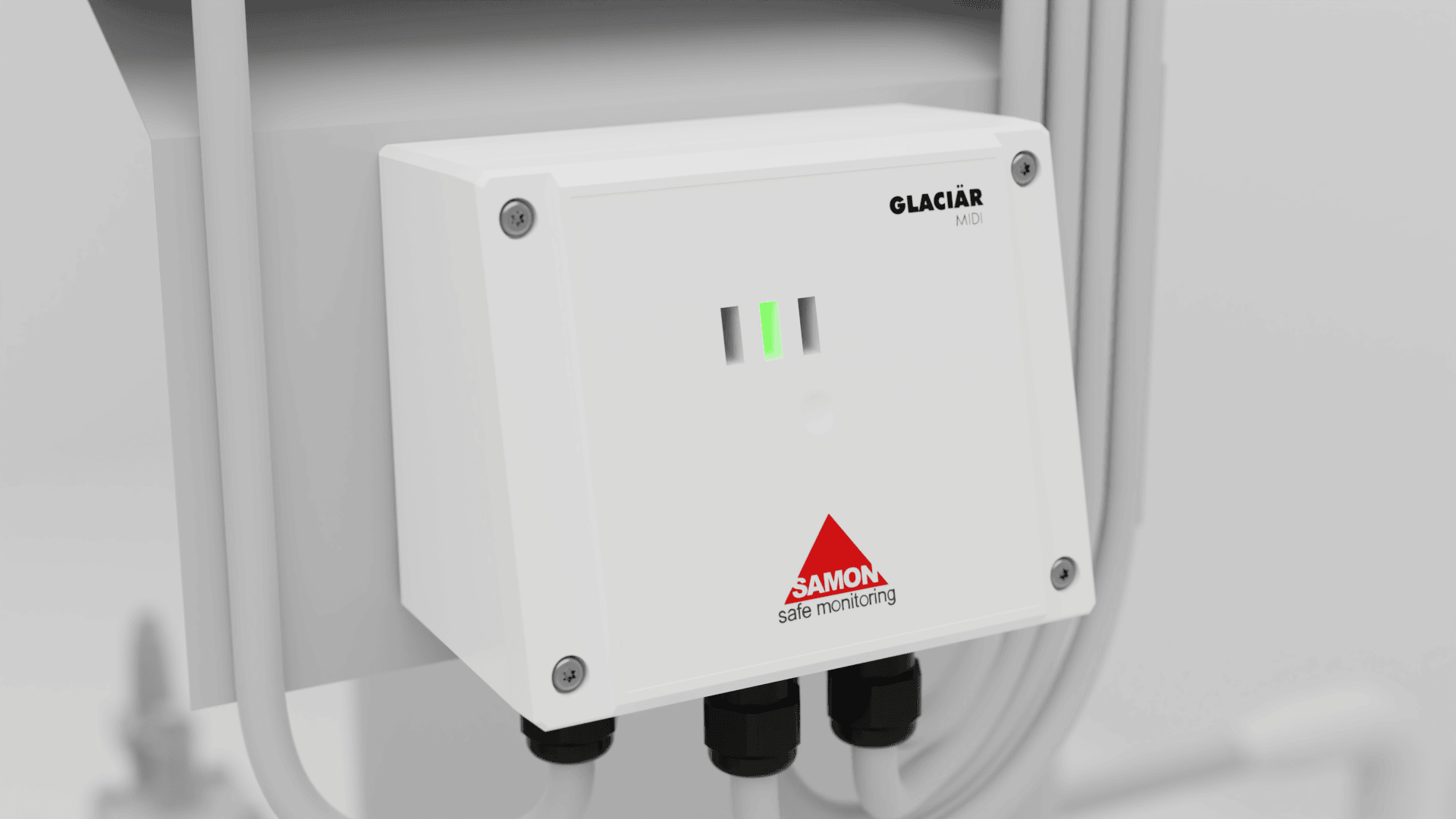
Routine visual inspections, service-log reviews, and energy-trend analysis remain foundational. Many operators strengthen these practices with continuous monitoring approaches—direct sensors that measure refrigerant concentration in air and indirect methods that track system parameters such as pressures, temperatures, and liquid levels. Combined with good record-keeping, these tools help teams prioritize inspections and repairs before small issues become larger operational or compliance problems.
As refrigerant costs and regulatory expectations continue to evolve, the ability to spot early performance changes becomes an increasingly practical part of supermarket refrigeration management. Teams that track the indicators above and respond systematically protect inventory, control operating costs, and maintain more stable system performance.
Contact Alpyne Strategy for Refrigerant Detection Support
If your team is looking to strengthen early leak detection and refrigerant management across one or more supermarket locations, Alpyne Strategy can help. We work with HVAC-R and food retail operators to identify the right monitoring approaches, improve visibility into system performance, and support more proactive maintenance practices.
Reach out to Alpyne Strategy to discuss refrigerant detection options for your facility.